
Fly-in fly-out (FIFO) work has long been a defining feature of the Australian and Western Australian resources sector, and it has become an increasingly common employment model in other resource-rich regions and in industries like construction, energy, and infrastructure. FIFO workers travel to a remote site, work a rostered schedule, then fly home for days off. In 2026, FIFO work remains one of the highest-paying employment categories outside senior professional roles, but it also has distinctive lifestyle trade-offs that are not right for everyone.
This article looks at the top FIFO jobs in 2026, what they pay, what the work involves, and what to consider before applying.
What FIFO Work Actually Is
FIFO work refers to an employment arrangement where workers are transported to a remote worksite for a fixed roster, then flown back to their home city or region for time off. Common rosters include two weeks on, one week off; two weeks on, two weeks off; and various other schedules depending on the employer and the project.
FIFO originated in the Australian mining sector and remains most associated with it, but the model has expanded to construction, oil and gas, renewables, defence, infrastructure, and remote healthcare. The work typically pays a premium over equivalent urban roles to compensate for the time away from home and the isolated working conditions.
Why FIFO Pay Is Higher
The pay premium on FIFO roles reflects several factors. Remote sites are difficult and expensive to operate, so employers need to offer compensation that attracts workers away from urban opportunities. The work itself is often physically demanding or technically challenging. The roster means long hours during the on period, and the time away from home is a real cost that money only partially offsets.
For workers, the practical effect is that total annual compensation on a FIFO role is often meaningfully higher than the base salary would suggest. Site allowances, living-away-from-home allowances, and production bonuses can add 30 to 50 percent to the base rate in many roles.
Top FIFO Roles in 2026
Heavy Diesel Fitters and Mobile Plant Mechanics
Heavy diesel fitters maintain and repair the massive haul trucks, dozers, excavators, and loaders used on mine sites. The work is physically demanding and requires trade qualifications in heavy diesel fitting or mobile plant mechanics. In 2026, experienced fitters on Australian mine sites commonly earn between $140,000 and $200,000+ per year, with higher rates at remote sites and on specialized equipment.
Open-Cut and Underground Production Operators
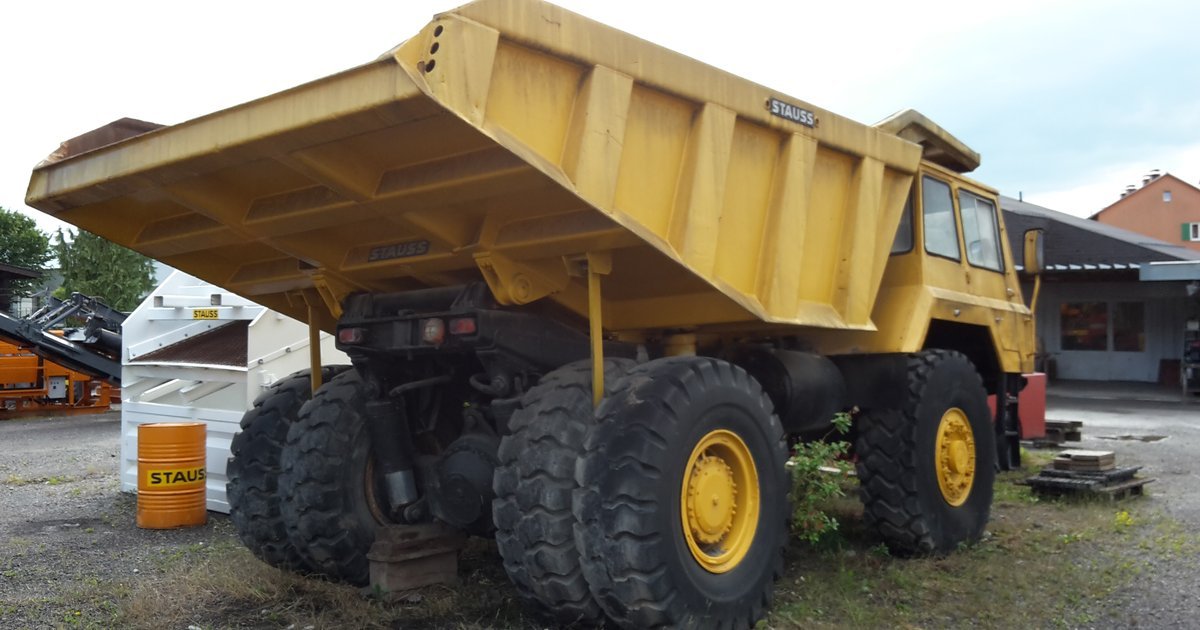
Production operators run the heavy equipment on mine sites, including haul trucks, loaders, and production drills. Open-cut (surface mining) operators need an equipment operator certification; underground operators typically need additional safety and equipment-specific qualifications. Pay rates in 2026 commonly range from $120,000 to $170,000+ depending on the equipment, the site, and the operator’s experience.
Electricians
Mine site electricians install, maintain, and repair the electrical systems on remote sites, including high-voltage infrastructure, process plant equipment, and the power distribution systems. Trade-qualified electricians with site experience earn between $130,000 and $180,000+ in 2026, with significant premiums for high-voltage and instrumentation specialists.
Boilermakers and Welders
Boilermakers and welders are in constant demand on remote sites for structural work, equipment repair, and fabrication. Trade qualifications are required, and additional certification in specialized welding processes (such as coded welding) commands higher rates. Pay commonly ranges from $130,000 to $180,000+ in 2026.
Process Operators
Process operators run the processing plant on mine sites or in oil and gas operations, including crushing, grinding, flotation, leaching, and other mineral processing steps. The work is shift-based and requires technical training. Pay rates in 2026 are commonly between $120,000 and $170,000+ depending on the commodity, the site, and the operator’s experience.
Drillers and Drillers’ Offsiders
Drillers operate the rigs used for exploration drilling, production drilling, and blast hole drilling. Drillers with significant experience and the appropriate certifications earn between $140,000 and $200,000+, with the highest rates on specialized rigs. Drillers’ offsiders and drill support roles pay somewhat less but still well above the urban average.
Heavy Vehicle and Mobile Equipment Drivers
Beyond haul truck operators, drivers are needed for road trains, water carts, fuel trucks, and other specialized vehicles on remote sites. The work requires the appropriate heavy vehicle license and often additional site-specific inductions. Pay rates vary widely but commonly start above $100,000 and can exceed $150,000 with experience.
Site-Based Construction and Civil Workers
Construction and civil workers on remote sites, including machine operators, concrete workers, formworkers, and steel fixers, earn meaningful premiums over their urban counterparts. Pay commonly ranges from $100,000 to $160,000+ depending on the trade and the project.
Health, Safety, and Environment (HSE) Advisors
HSE advisors manage the safety, health, and environmental systems on remote sites. The role requires formal qualifications in occupational health and safety or a related field, plus site experience. Pay rates in 2026 commonly range from $130,000 to $200,000+ for senior advisors at large operations.
Remote Area Nurses, Paramedics, and Site Medics
Healthcare professionals on remote sites earn meaningful premiums to compensate for the isolated working conditions. Registered nurses, paramedics, and site medics with emergency response skills earn between $130,000 and $200,000+ in 2026, with the highest rates at the most remote sites.
What to Consider Before Going FIFO
The pay is real, but so are the trade-offs. The roster means extended time away from home, which can strain relationships and limit participation in everyday life. The work is often physically demanding or shift-based, and the adjustment to remote-site living takes time. The isolation, the lack of privacy, and the limited recreational options on site are real factors.
For some people, FIFO is an excellent fit and a way to build financial security faster than would be possible in urban roles. For others, the lifestyle is incompatible with their personal circumstances. The honest assessment requires understanding both the financial upside and the personal cost.
How to Get a FIFO Role
Most FIFO roles require the relevant trade qualification, certification, or degree. Many also require a current driver’s license, a national police check, and site-specific inductions (which the employer typically provides). For entry-level positions, some employers run traineeship programs that combine on-the-job training with formal certification.
The most reliable job boards for FIFO roles include the major Australian employment platforms, the dedicated mining and resources job boards, and direct applications through the major resources employers. Recruitment agencies specializing in resources and construction are also a common pathway into the industry.
Frequently Asked Questions
What is the highest-paid FIFO job?
Experienced drillers, heavy diesel fitters, and senior specialist roles (including senior electricians, senior boilermakers, and senior HSE advisors) are among the highest-paid FIFO positions, with total annual compensation often exceeding $200,000.
Is FIFO work only in Australia?
No. While FIFO originated in the Australian resources sector, the model is used in other resource-rich regions including Canada, parts of Africa, and parts of the Middle East. The pay and conditions vary significantly by country and sector.
Do FIFO workers pay for their own travel?
No. Most FIFO arrangements include flights from a designated hub city to the site, accommodation and meals on site, and transport between the airport and the site. The cost of the rosters is borne by the employer, and workers are not expected to fund their own travel to the worksite.
Is FIFO work a good career choice?
It depends on personal circumstances. For people who can manage the time away from home and who value the financial upside, FIFO can be an excellent way to build savings and career experience. For people with strong family or community ties that would be disrupted by extended absences, the trade-offs may not be worth it.
How long are typical FIFO rosters?
Common rosters include two weeks on, one week off; two weeks on, two weeks off; and various other schedules depending on the employer and project. Some remote sites use longer rosters, and some shorter ones. The specific roster should be confirmed with the employer before accepting a role.