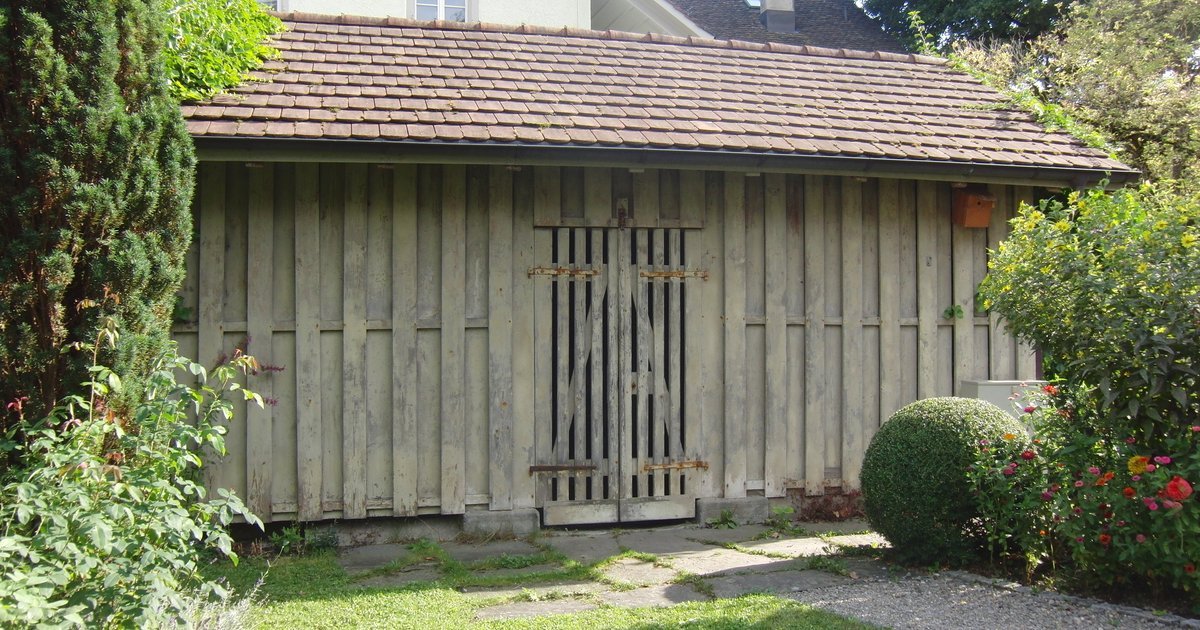

Wooden garden buildings have become one of the most popular home improvement categories in Ireland. From garden offices and home gyms to summer houses, storage sheds, and bespoke playhouses, a well-built timber structure can transform a backyard into a more useful, more attractive, and more valuable space. The category has matured over the past decade, with established manufacturers offering standardized designs, custom-build specialists taking on one-off projects, and a wider range of timber options and finishes than ever before.
This article looks at what defines a wooden garden building expert in Ireland, what to look for when choosing one, the common types of structures available, and the practical considerations that matter most.
What Wooden Garden Building Specialists Do
Wooden garden building specialists in Ireland design, manufacture, and install timber structures for residential and commercial gardens. The category covers a wide range of products, including garden sheds, summer houses, log cabins, garden offices, home gyms, saunas, playhouses, pergolas, gazebos, and bespoke timber structures.
The best specialists offer a combination of design advice, custom manufacturing, professional installation, and after-sales support. They work with clients from the initial concept through to the finished structure, helping with planning considerations, material selection, sizing, and integration with the existing garden.
Why Wooden Garden Buildings Are So Popular in Ireland
Several factors drive the popularity. The shift to remote and hybrid work has created sustained demand for garden offices, which provide a quiet, dedicated workspace separate from the main house. The growth of home fitness has driven demand for home gyms in garden settings. The mild Irish climate, while wet, is well-suited to timber structures when properly treated and maintained.
Irish planning rules are also relatively accommodating of garden structures within certain size limits, which makes the category more accessible than in jurisdictions with stricter planning requirements. The combination of lifestyle change, planning permissiveness, and a strong domestic manufacturing base has made Ireland one of the more active markets for wooden garden buildings in Europe.
Common Types of Wooden Garden Buildings
Garden Offices
Garden offices are insulated timber structures designed to be used as year-round workspaces. They typically include electrical installation, insulation, double glazing, and interior finishing suitable for daily use. Sizes range from compact 2.5m x 2m offices to larger 5m x 4m or bigger structures. A well-built garden office is the most popular category in 2026 and represents the largest investment many homeowners make in their outdoor space.
Summer Houses
Summer houses are designed primarily for use in milder months, often as a relaxation space, reading room, or entertainment area. They are typically less heavily insulated than garden offices and may not include full electrical installations. The simpler construction makes them more affordable and quicker to install.
Log Cabins
Log cabins are built from interlocking timber logs rather than framed panels, giving them a distinctive appearance and very good structural properties. They can be used as garden offices, summer houses, guest accommodations, or simply as feature buildings. Log cabin construction is more time-consuming and expensive than panel construction but offers better longevity and a more premium aesthetic.
Garden Sheds
Garden sheds remain a workhorse category, providing secure storage for tools, equipment, bikes, and outdoor furniture. The range of sizes, materials, and configurations is wide, with options from simple overlap-clad sheds to more substantial tongue-and-groove structures with proper roofing and security features.
Home Gyms and Saunas
Timber home gyms and saunas have become a meaningful category. Home gyms are typically larger, well-insulated structures with appropriate flooring, ventilation, and electrical provisions. Outdoor saunas, often in cabin or barrel form, are a particular growth area and offer year-round use when properly sited.
Playhouses and Bespoke Structures
Children’s playhouses range from small, simple structures to elaborate multi-level play centers. Bespoke structures, including custom pergolas, gazebos, and one-off garden buildings designed for a specific site, are also a meaningful part of the category.
What to Look for in a Wooden Garden Building Specialist
Materials and Construction Quality
The most important quality indicator is the timber itself. Slow-grown Nordic spruce, Scandinavian redwood, and Irish-grown timber are all acceptable choices, with the specific grade and treatment making more difference than the species. Pressure-treated timber for the structural elements, tongue-and-groove cladding rather than overlap, and proper roofing felt or membrane are baseline expectations for a quality structure.
Wall thickness matters for both insulation and structural rigidity. A 19mm or 28mm tongue-and-groove wall is standard for sheds and summer houses. Garden offices and year-round structures need 44mm or thicker walls to accommodate proper insulation. The roof should be substantial, with at least 19mm tongue-and-groove boards and proper roofing material.
Customization and Design Service
The best specialists offer real customization, not just a choice of standard sizes. This includes the ability to adjust dimensions, add or remove windows, position doors in specific locations, integrate electrical and plumbing where needed, and adapt designs to the specific site constraints. A specialist who offers only standard sizes with no flexibility is a less attractive option for non-standard sites.
Installation Service
Professional installation is a meaningful part of the value. A specialist with their own installation team, rather than relying on subcontractors, is more likely to deliver a consistent result. The installation should include proper foundations (slabs, ground screws, or concrete bases, depending on the structure and the site), correct levelling, and proper finishing around the structure.
Warranty and After-Sales
A meaningful warranty on the structure (typically 5 to 10 years on the timber and construction) is standard among reputable specialists. After-sales support, including advice on maintenance, availability of replacement parts, and the option of return visits for adjustments, is also worth considering.
Practical Considerations Before Buying
Planning permission is the first consideration. In Ireland, most garden structures under 25 square meters of floor area do not require planning permission, but there are restrictions on position (typically not forward of the front building line), height, and use. The specialist should be able to advise on the specific planning situation, but the buyer should also verify with the local authority if there is any uncertainty.
Site preparation is the second consideration. The ground needs to be level and stable, with proper drainage around the structure. A proper base, whether a concrete slab, paving slabs, or ground screws, is essential for the longevity of the structure. Some specialists include base preparation in their installation; others require it to be done separately.
Ongoing maintenance is the third consideration. Timber structures benefit from periodic treatment with wood preservative, especially in the Irish climate. The roof covering should be inspected annually and replaced as needed. The better the initial construction and treatment, the less maintenance is required, but no timber structure is truly maintenance-free.
Cost Expectations
Prices for wooden garden buildings in Ireland vary widely depending on size, specification, and customization. A basic garden shed starts at a few hundred euros. A mid-range summer house is typically in the low thousands. A well-specified garden office with installation is commonly in the range of €5,000 to €15,000 or more, depending on size and features. Log cabins, saunas, and bespoke structures can be substantially more.
The right comparison is on a like-for-like basis, including delivery, installation, base preparation, electrical work, and any necessary treatment. The cheapest quote is not always the best value if it excludes essentials or uses lower-grade materials.
Frequently Asked Questions
Do wooden garden buildings need planning permission in Ireland?
Most garden structures under 25 square meters and within specific height and position limits do not require planning permission. Restrictions include the location relative to the front of the house and the use of the structure. A local architect or the relevant local authority can advise on the specific situation.
How long do wooden garden buildings last?
With proper maintenance, a well-built wooden garden building can last 20 to 30 years or more. The roof covering typically needs replacement every 10 to 15 years, and the timber benefits from preservative treatment every few years.
What is the best base for a garden building?
Concrete slabs are the most durable option. Paving slabs on a sand and gravel base are a common alternative. Ground screws are increasingly popular for their ease of installation and minimal ground disturbance. The best base depends on the structure and the site conditions.
Can a garden office be used year-round?
Yes, with proper insulation, double glazing, and heating, a garden office can be used comfortably year-round in the Irish climate. The specification of the structure should reflect the intended year-round use, with wall thickness, insulation, and electrical provisions appropriate to the climate.
What is the difference between a summer house and a garden office?
A summer house is designed for milder months and is typically less heavily insulated, with simpler electrical provisions. A garden office is designed for year-round use as a workspace, with full insulation, double glazing, and proper electrical installation.