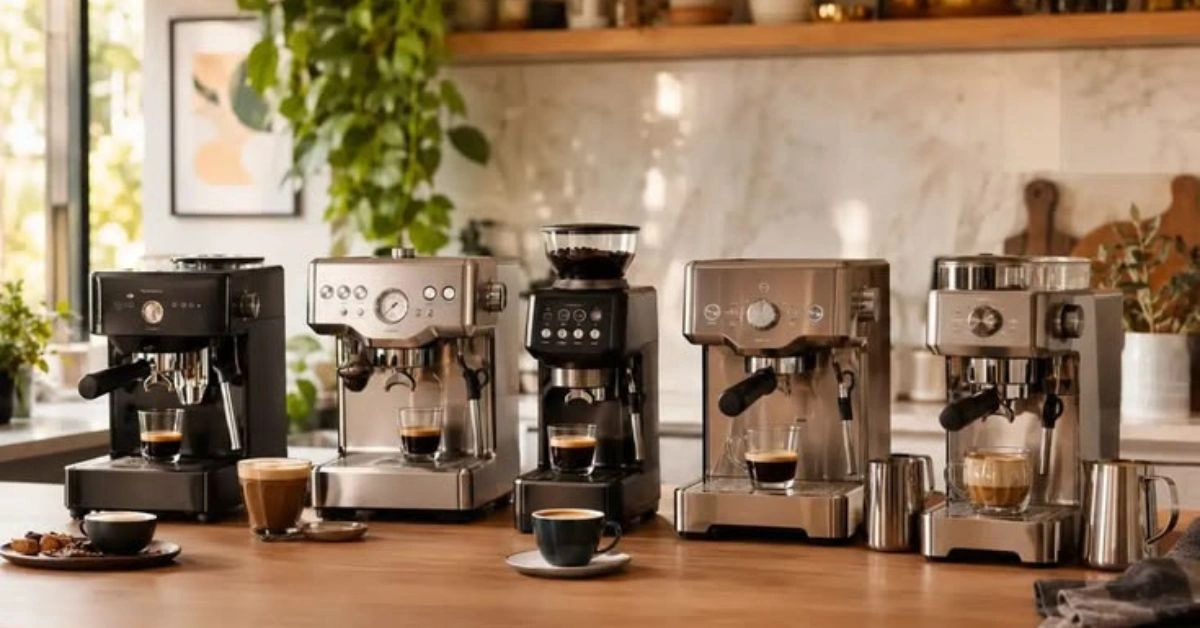
Bringing espresso home changes your mornings and your wallet. No more $7 lattes or rushed cafe runs. For under $500, you can pull shots that rival what you get downtown, but only if you pick the right machine and accept some trade-offs. I’ve pulled thousands of shots behind the counter and at home, and these budget machines all have compromises—plastic bits that wear, warm-up quirks, or milk steaming that takes practice. The goal is finding one that fits your counter, your routine, and your taste without buyer’s remorse.
What to Look For in a $500 Espresso Machine
Focus on the fundamentals that actually affect your cup. Pump pressure should hit and hold 9 bars at the puck for proper extraction—many machines overshoot to 15+ bars with pressurized baskets to mask bad grinds, but that’s not real espresso. Look for non-pressurized (double-wall or bottomless) basket compatibility for better control as you improve.
Heating systems matter for temperature stability. Thermoblock or single-boiler setups are common at this price and work fine for one or two drinks but require surfing (timing between brew and steam) on single boilers. PID controllers help maintain brew temp around 195-205°F, reducing sour or bitter shots. Fast heat-up (under 30-60 seconds with ThermoJet-like tech) beats waiting 10+ minutes.
Steam wands are where many fail. A decent wand needs enough power for microfoam on milk drinks—look for stainless steel with multiple holes for better aeration. Panarello wands (those with air-intake sleeves) are beginner-friendly but limit texture control. Real wands take practice: stretch milk first for volume, then texture for latte art. Weak steam means longer times and cooler drinks.
Other practicals: 58mm portafilter is standard and easier for accessories; smaller 51-54mm ones work but feel toy-like long-term. Build quality varies—metal bodies hold up better than all-plastic. Footprint matters in small kitchens. Water tank size and ease of descaling affect daily life. Expect some plastic parts that crack over years of use.
Top Home Espresso Machine Contenders Under $500
Gaggia Classic Pro / Evo Pro
This Italian workhorse remains a favorite for good reason. Around $450-500, it uses a commercial-style 58mm portafilter, single boiler, and solid brass components that feel built to last.
Pros: Excellent shot potential with proper technique. Reliable pump hits good pressure. Easy to mod (OPV spring swaps, PID kits) for enthusiasts. Steams decently once you learn the rhythm. Parts are widely available and repairable.
Cons: No PID stock, so temperature surfing is mandatory—pull a shot, wait, steam, repeat. Warm-up takes 10-15 minutes. Steam power is adequate but not blazing for multiple drinks. It’s analog and unforgiving if your grind or dose is off. Plastic bits like the drip tray feel cheap.
I’ve used one for years. It rewards attention to detail with rich, balanced espresso. Great for hobbyists willing to tinker, less ideal for pure convenience seekers.
Breville Barista Express
Often on sale around $500, this all-in-one includes a built-in conical burr grinder, making it the simplest entry for fresh beans.
Pros: Grinder integration means less mess and faster workflow—one machine, one outlet. ThermoJet heating for quick startup. Pressure gauge helps dialing in. Good for beginners with decent espresso and milk drinks.
Cons: Grinder is mediocre—only 18 settings, can be messy, and clogs with oily beans. 54mm portafilter limits some accessories. Steam wand (single hole) is slower and weaker than dedicated machines. More plastic in construction raises longevity questions after a few years of heavy use. Shots are solid but not as nuanced as dedicated setups.
It’s a solid convenience pick. The built-in grinder saves money upfront but caps how far you can push quality. Many users upgrade the grinder later.
Breville Bambino Plus
Compact powerhouse around $300-500. ThermoJet instant heat, automatic milk frothing option, and strong fundamentals in a tiny footprint.
Pros: Lightning-fast ready time. Excellent temperature stability for the price. Auto steam wand delivers consistent microfoam with minimal learning (or switch to manual). Pulls surprisingly good shots. Easy to clean and fits anywhere.
Cons: No built-in grinder. Smaller 54mm portafilter. Auto features shine for milk drinks but feel gimmicky if you prefer full control. Drip tray quirks and plastic elements are noticeable. Best with a separate decent grinder.
Perfect for small spaces or apartments. It punches above its weight for espresso quality and milk texture once dialed in.
De’Longhi Dedica (EC685 or Arte)
Slim, affordable option often under $300. Narrow design excels in tight kitchens.
Pros: Very compact. Quick thermoblock heat-up. Easy controls and ESE pod compatibility for lazy days. Decent steam on newer models with proper wand.
Cons: 51mm portafilter feels undersized. Often relies on pressurized baskets, limiting growth. Temperature control is basic, leading to inconsistent shots. Build has more plastic; longevity varies. Steam can struggle with volume.
It’s a capable starter but shows limits faster than the others. Good if space and budget are tight, but plan to upgrade accessories quickly.
Hidden Costs: Grinders, Tampers, and Fresh Beans
The machine is only part of the setup. A good grinder is non-negotiable—espresso demands fine, consistent grinds that blade grinders can’t deliver. Budget $100-200 for something like a Baratza Encore ESP or better. Cheap grinders ruin shots with boulders and fines, causing channeling and sour espresso.
Tampers: Stock ones are often light and uneven. A $30-50 calibrated tamper improves consistency. Distribution tools help too.
Beans: Fresh, specialty beans (roasted within 2-4 weeks) make the biggest difference. Expect $15-20 per bag. Pre-ground kills flavor fast. Factor in water filter and descaling solution—hard water clogs everything.
Total real cost often hits $600-800 for a complete capable setup. Skimp on the grinder and you’ll blame the machine.
Maintenance Tips to Extend the Machine’s Life
Backflush weekly with espresso cleaner to prevent oil buildup. Descale every 1-3 months depending on water hardness—use the right solution for your boiler. Empty drip trays and clean the steam wand after every use to avoid milk gunk.
For single boilers, purge lines properly. Check gaskets and seals yearly. Use filtered or bottled water. Gaggia owners benefit from OPV adjustments and group head cleaning. Breville machines need grinder chute cleaning to avoid clogs.
Document your routine. Neglect leads to weak pressure, weird tastes, or breakdowns. Proper care turns a $500 machine into a multi-year daily driver.
Recommendations by Buyer Type
For absolute beginners wanting milk drinks with minimal fuss: Go Bambino Plus. Fast, compact, auto steam helps while you learn.
For convenience with fresh beans: Barista Express if on sale—grinder makes mornings easy despite its flaws.
For tinkerers and long-term value: Gaggia Classic Pro. It grows with you and holds up.
Tight on space or budget: Dedica as a starter, but pair with a good grinder and expect to move on sooner.
Pick based on your drinks, counter space, and patience for learning. Test in-store if possible, read recent user forums, and start simple. Good espresso at home is achievable under $500—you just need realistic expectations and solid beans.
For More Information Visit AmgNews.