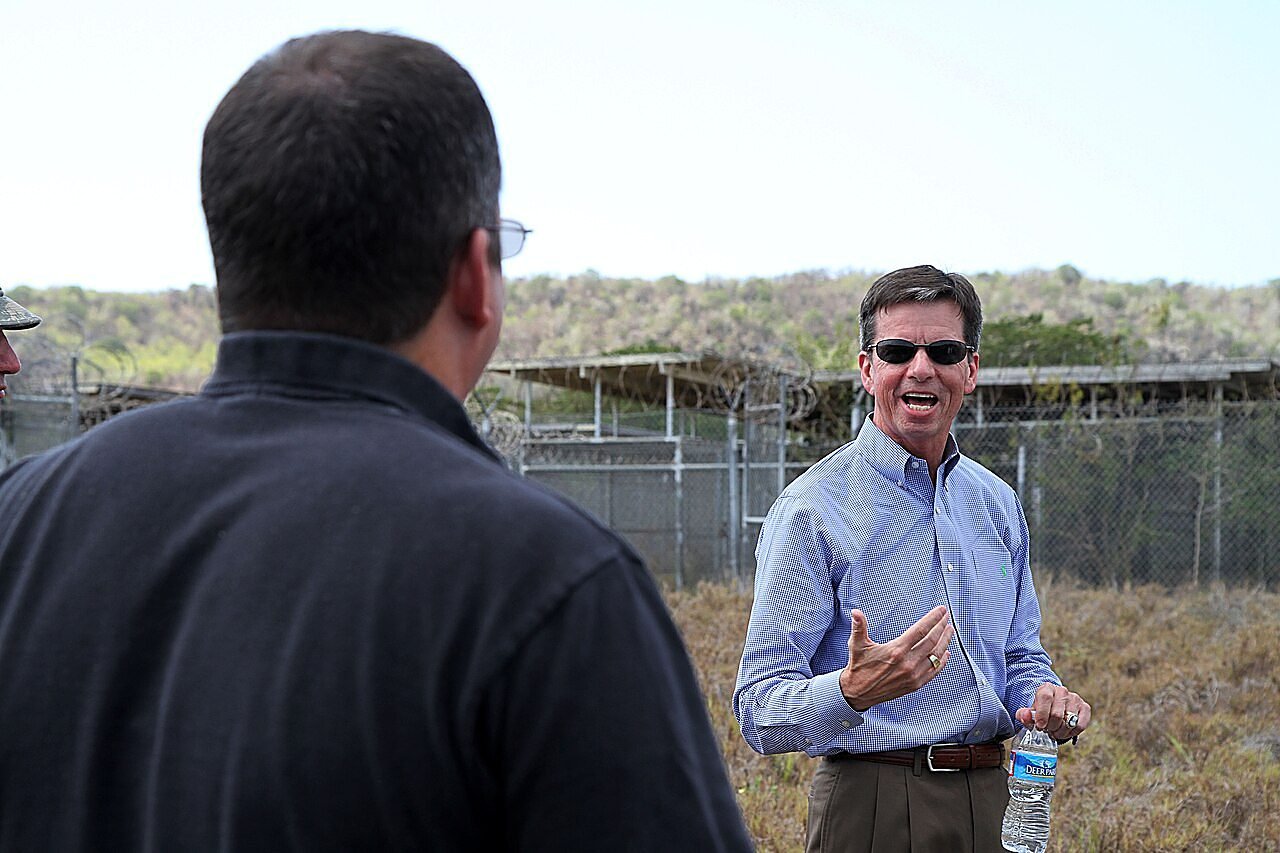
The phrase “AMG News Guantanamo Bay” has become a regular search term for readers who want a clear, organized explanation of the U.S. military detention facility at Guantanamo Bay in Cuba. AMG News treats Guantanamo Bay as part of its broader world news coverage, focusing on the facility’s history, the current detainee population, the legal and policy debates around it, and the geopolitics of the wider region. This guide walks through the full picture and explains how AMG News frames the topic.
What Is the Guantanamo Bay Detention Facility?
The Guantanamo Bay detention facility, often referred to as “Gitmo,” is a U.S. military prison located on the Guantanamo Bay Naval Base in southeastern Cuba. The base itself is leased from Cuba under an agreement dating back to 1903, and it remains under U.S. control despite the broader diplomatic relationship between Washington and Havana.
The detention facility was established in January 2002, in the early months of the U.S.-led response to the September 11, 2001 attacks. It was designed to hold individuals captured in the War on Terror, including people suspected of being members of, or linked to, al-Qaeda, the Taliban, and other armed groups. The facility became one of the most controversial detention sites in the world, and it has been the subject of legal challenges, political debate, and human rights scrutiny for more than two decades.
Why the Guantanamo Bay Facility Remains a Story
Guantanamo Bay is still a major story for several reasons, and AMG News covers the topic because the developments continue to shape U.S. counterterrorism policy, human rights law, and U.S. relations with the wider Middle East.
1. Active detention population
The facility still holds detainees. As of recent counts, roughly two dozen men remain in custody, down from a peak of around 680 in 2003. The reduction has come through transfers, repatriation, and resettlement in third countries, but the population has stabilized and reductions have slowed significantly in recent years.
2. Pending trials and military commissions
Several detainees face charges in the U.S. military commission system, including those accused of planning the September 11 attacks and the attack on the USS Cole. The pre-trial proceedings, plea deals, and sentencing hearings have generated continuous news coverage.
3. Periodic Review Board hearings
For detainees not facing charges, the Periodic Review Board (PRB) process reviews whether continued detention is necessary. The PRB has been the primary mechanism for releasing or transferring detainees in recent years, and its decisions are a regular source of news.
4. Political pressure and closure debates
Every U.S. administration since 2002 has at some point discussed closing the facility. None has fully succeeded, and the political and logistical challenges have been widely reported. The ongoing stalemate keeps the story in the news.
5. Geopolitical context
Guantanamo Bay sits inside a broader regional and global story. The facility intersects with U.S.-Cuba relations, U.S. counterterrorism policy, the legacy of the post-9/11 wars, and the legal status of detainees held under the law of armed conflict.
Notable Detainees and Their Cases
Several high-profile detainees have shaped the public perception of Guantanamo Bay. AMG News has covered the most significant cases in detail.
Khalid Sheikh Mohammed
Khalid Sheikh Mohammed is the most prominent detainee, accused of being the principal architect of the September 11 attacks. He has been in U.S. custody since 2003 and has faced pre-trial proceedings in the military commission system for nearly two decades. The case is widely cited as a measure of the legal and logistical challenges of military commissions.
Abu Zubaydah
Abu Zubaydah was one of the first high-value detainees held at the facility. His case is notable both for the legal questions about his detention without charges and for the broader public debate about enhanced interrogation techniques used during his initial years in custody.
Abd al-Rahim al-Nashiri
Al-Nashiri is accused of orchestrating the 2000 attack on the USS Cole. Like Khalid Sheikh Mohammed, his case has been delayed repeatedly in the military commission system.
Amar al-Baluchi
Al-Baluchi, a nephew of Khalid Sheikh Mohammed, faces charges alongside his uncle in connection with the September 11 attacks. His case has moved through the same prolonged pre-trial process.
Long-term detainees without charges
Several detainees have been held for more than 20 years without being charged with a crime. Their cases have become focal points in the broader debate about indefinite detention.
Recent Guantanamo Bay News
The pace of Guantanamo Bay news has slowed compared with the early 2000s, but significant developments continue to surface. The most common AMG News Guantanamo Bay topics include:
- Detainee transfers. Periodic transfers to third countries, including recent agreements with Oman, Kenya, and other U.S. partners, have made headlines in the past several years.
- Plea deals in military commissions. Several detainees have reached plea agreements, which reduce the immediate prospect of lengthy trials but leave long-term detention intact.
- Periodic Review Board decisions. PRB recommendations on release, transfer, or continued detention are a recurring source of news.
- Court rulings. Federal court decisions on habeas corpus petitions, the legality of military commissions, and the rights of detainees have all shaped the modern landscape.
- Conditions inside the facility. Reports on detainee living conditions, medical care, and treatment continue to be published by human rights organizations and journalists.
AMG News Coverage of Guantanamo Bay
AMG News’s Guantanamo Bay coverage is part of the site’s broader world news and Middle East reporting. Typical pieces include:
- Background explainers on the history of the facility, the legal framework, and the most significant detainees.
- News updates on transfers, court rulings, and Periodic Review Board decisions.
- Geopolitical analysis that places Guantanamo Bay inside the wider Middle East and counterterrorism story.
- Profile pieces on individual detainees, military commission judges, and key legal figures.
The coverage draws on primary sources, including Department of Defense releases, court filings, and reporting from established outlets like Reuters, The New York Times, and The Washington Post.
How to Read the AMG News Guantanamo Bay Coverage
For readers approaching the topic for the first time, the cleanest way to use the AMG News Guantanamo Bay coverage is to start with the background explainers and work forward from there. A simple approach that works for most readers includes:
- Read the facility history explainer to understand how Guantanamo Bay was established and what it was designed to do.
- Skim the current detainee list to see who is still in custody and what stage their case is at.
- Follow the most recent transfer and review board news to understand the current pace of releases.
- Look at the geopolitical context on the site’s Middle East and world news sections.
- Cross-reference with major outlets for the latest court rulings and administration policy changes.
That process gives a balanced picture without getting lost in the legal details.
Common Misconceptions About Guantanamo Bay
The AMG News coverage also addresses common misconceptions about the facility. The most frequent myths include:
- Myth: Guantanamo Bay is closing. Despite repeated announcements, the facility has not been closed. Transfer rates have slowed significantly, and the remaining population is unlikely to reach zero in the near term.
- Myth: All Guantanamo detainees were captured on the battlefield. Many detainees were captured through intelligence operations, third-party transfers, or after lengthy detentions in other countries. The circumstances of capture vary widely.
- Myth: Detainees have no legal rights. Detainees have access to habeas corpus review in U.S. federal courts. The legal status is contested, but it is not a legal black hole.
- Myth: The military commissions have produced final verdicts on the most serious cases. The 9/11 and Cole cases remain in the pre-trial phase after two decades, and final verdicts have not been delivered.
The AMG News Guantanamo Bay pieces place these misconceptions in their full legal and historical context.
Guantanamo Bay and the Broader Middle East Story
Guantanamo Bay is not an isolated story. It sits inside a larger regional narrative that AMG News also covers in detail. Connections include:
- The legacy of the post-9/11 wars in Afghanistan, Iraq, Syria, and beyond.
- U.S. counterterrorism policy and the legal framework for holding detainees captured in armed conflict.
- U.S.-Cuba relations and the wider diplomatic posture of the United States in the Western Hemisphere.
- U.S. military basing strategy in the Caribbean and the broader logistics of the U.S. global military footprint.
- International human rights law and the long-running debate about indefinite detention without trial.
For readers who follow the Middle East and global affairs section on AMG News, Guantanamo Bay is one of the through-lines that ties the different stories together.
Final Thoughts on AMG News Guantanamo Bay Coverage
The AMG News Guantanamo Bay coverage is part of a wider commitment to researched, source-backed reporting on world affairs. The site does not try to break news on the facility. It provides the kind of structured, contextualized coverage that helps readers understand why the story is still in the news and how it fits into the larger regional and global picture.
For anyone who wants a clear, organized explanation of Guantanamo Bay, the facility’s history, the current detainee population, and the ongoing legal and policy debates, the AMG News coverage is a useful starting point. Pair it with reporting from major outlets for the latest developments, and the full picture comes into focus.
Frequently Asked Questions
What is the AMG News Guantanamo Bay coverage about?
AMG News covers the U.S. military detention facility at Guantanamo Bay in Cuba, including its history, the current detainee population, military commission proceedings, Periodic Review Board decisions, and the wider geopolitical context.
How many detainees are still at Guantanamo Bay?
Recent counts put the detainee population at roughly two dozen, down from a peak of around 680 in 2003. Transfers have slowed significantly in recent years.
Has Guantanamo Bay been closed?
No. Despite multiple administrations discussing closure, the facility remains open and continues to hold detainees.
Who are the most prominent detainees?
Khalid Sheikh Mohammed, Abu Zubaydah, Abd al-Rahim al-Nashiri, and Amar al-Baluchi are among the most well-known detainees. Their cases have shaped the legal and political debate.
Where can I find reliable Guantanamo Bay news?
Use a combination of major outlets like Reuters, The New York Times, and The Washington Post for breaking news, and the AMG News coverage for context, background, and structured explainers.