

Published: July 11, 2026
Introduction
The United States has called on Iran to publicly commit to ending attacks on commercial vessels in the Strait of Hormuz, one of the world’s most strategically important shipping routes. The request comes amid renewed diplomatic efforts and rising tensions following recent military exchanges between Washington and Tehran.
Why the Strait of Hormuz Matters
The Strait of Hormuz is a narrow waterway connecting the Persian Gulf to the Gulf of Oman and the Arabian Sea. Nearly one-fifth of the world’s oil supply passes through this route, making it critical for global energy markets and international trade. Any disruption to shipping in the area can affect oil prices, freight costs, and global economic stability.
U.S. Calls for a Public Commitment
According to U.S. officials, Washington wants Iran to publicly guarantee that commercial ships will no longer be targeted and that international vessels can travel safely through the Strait of Hormuz without interference. Officials say such a commitment is essential for restoring confidence in one of the world’s busiest maritime trade corridors.
The United States has indicated that continued diplomatic engagement will depend on Iran’s willingness to support safe navigation and reduce tensions in the region.
Recent Security Concerns
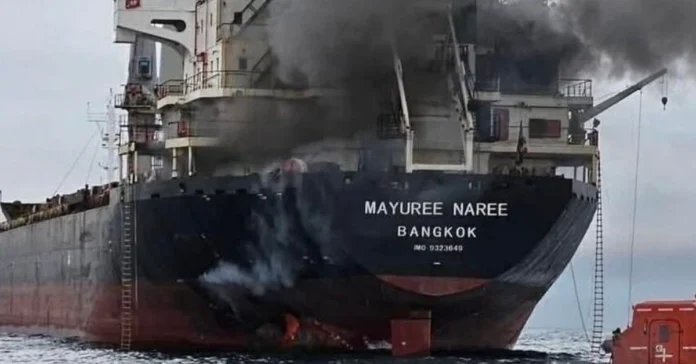
The renewed demand follows reports of attacks on commercial shipping and a series of U.S. military strikes targeting Iranian-linked facilities. These developments have significantly increased concerns over maritime security and the possibility of further escalation in the Gulf region.
Diplomatic Efforts Continue
Despite the heightened tensions, diplomatic channels remain open. Iranian Foreign Minister Abbas Araqchi is expected to participate in discussions in Oman, where regional security and the future of maritime navigation through the Strait of Hormuz are expected to be key topics. Mediators hope the talks can help reduce tensions and prevent further military confrontation.
Global Economic Impact
Financial markets are closely monitoring developments because any disruption in the Strait of Hormuz could have far-reaching economic consequences. Energy analysts warn that prolonged instability may increase oil prices, raise shipping insurance costs, and affect international supply chains.
International Response
Several governments have urged both the United States and Iran to exercise restraint and prioritize diplomacy over military action. International observers believe that keeping the Strait of Hormuz open is essential for global trade, regional stability, and energy security.
Conclusion
The U.S. request for Iran to commit to ending attacks on commercial ships reflects growing international concern over security in the Strait of Hormuz. While negotiations are continuing, the outcome of upcoming diplomatic talks could play an important role in determining whether tensions ease or the region experiences further instability. The international community continues to watch developments closely as both sides weigh diplomacy against the risk of renewed confrontation.
For More Information Visit AmgNews.