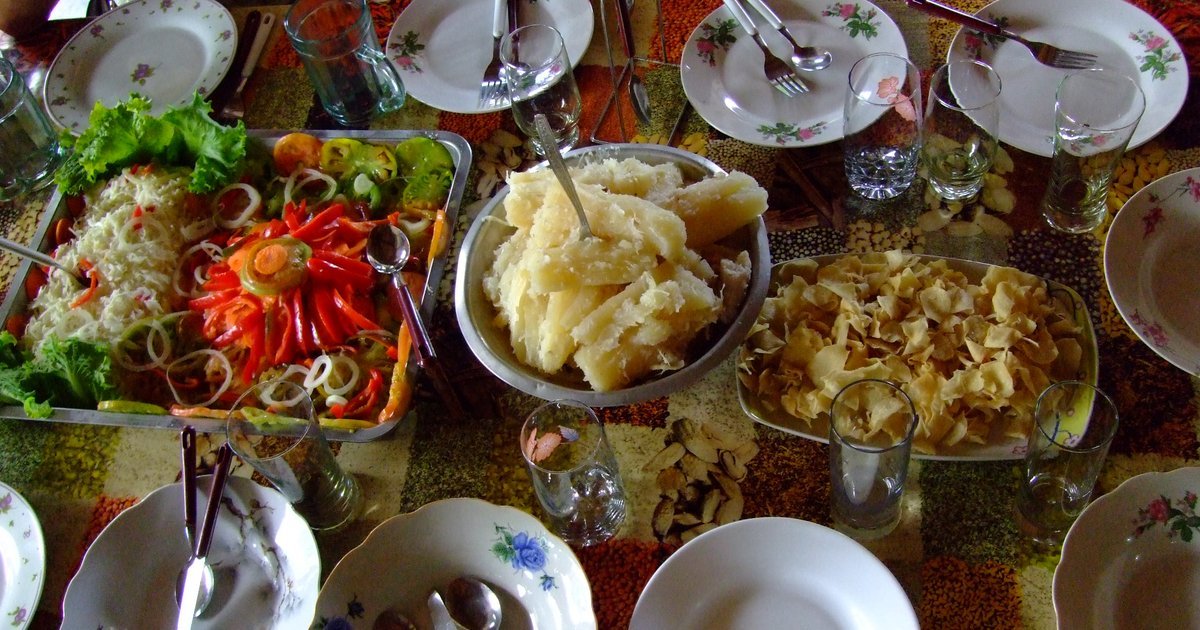

Cuban home cooking is one of the most welcoming and resource-conscious cuisines in the world. Built on a foundation of rice, beans, root vegetables, citrus, garlic, and slow-cooked meats, Cuban food rewards simple techniques and good ingredients over complicated recipes. For anyone cooking at home, Cuban food is approachable, affordable, and forgiving. It is also genuinely satisfying, the kind of food that tastes better the next day and feeds a crowd without much fuss.
This article introduces the core ingredients of Cuban home cooking, walks through a few foundational recipes, and offers practical tips for bringing the flavors of the Cuban kitchen to a home kitchen anywhere.
The Core Ingredients of Cuban Cooking
Every Cuban kitchen is built around a small set of pantry staples. White rice, preferably medium or long grain, is the foundation of countless meals. Black beans, red kidney beans, and chickpeas appear in different classic dishes. Garlic, onion, green bell pepper, and oregano form the base of the sofrito that seasons most savory dishes. Citrus, particularly sour orange (naranja agria) and lime, adds the characteristic acidity.
Cumin, bay leaves, and dried oregano are the most important dried spices. Olive oil is used for cooking, though not as heavily as in Mediterranean cuisines. Lard was historically important and is still used in some traditional preparations, particularly for pastries. Tomato sauce or paste appears in many rice and meat dishes.
Rice and Beans: The Foundation
Moros y Cristianos (black beans and rice cooked together) and Congrí (the more rustic Eastern Cuban variant) are the heart of Cuban home cooking. The difference is that moros is made by cooking the rice and beans separately and then combining them, while congrí cooks them together with sofrito, giving a darker color and more integrated flavor.
For either dish, the beans are cooked first with sofrito, garlic, bay leaves, oregano, and a small amount of sugar. The rice is cooked separately in a sofrito-flavored liquid, then combined with the beans toward the end. A good pot of rice and beans, properly seasoned, will keep in the refrigerator for several days and tastes even better on the second and third days.
Classic Cuban Recipes Worth Knowing
Ropa Vieja
Ropa Vieja, which translates roughly to “old clothes,” is shredded beef braised in a tomato-based sauce with peppers, onions, garlic, olives, and capers. The beef is cooked low and slow until tender enough to shred, then returned to the sauce to absorb flavor. It is traditionally served with white rice and sweet plantains. The dish is iconic enough that it is also the national dish of the Canary Islands, reflecting the historical connection between the two regions.
Lechón Asado
Lechón Asado is slow-roasted pork, traditionally cooked in an underground pit for special occasions, but easily adapted for a home oven. The pork is marinated in a mojo of garlic, oregano, cumin, sour orange juice, and salt, then roasted at low temperature for several hours until the meat is tender and the skin is crisp. The mojo is the key; a good mojo is bright, garlicky, and balanced.
Arroz con Pollo
Arroz con Pollo (rice with chicken) is one of the most universal Cuban dishes. The chicken is browned and simmered in a sofrito base, then rice is added and cooked in the seasoned liquid. The result is a one-pot meal with deeply flavored rice and tender chicken. Beer or dry white wine is often added to the cooking liquid for depth.
Yuca con Mojo
Yuca con Mojo is boiled cassava served with a garlic-citrus sauce. The yuca is peeled, cut into chunks, boiled until tender, and served with mojo made from garlic, sour orange or lime juice, olive oil, and salt. It is a simple, satisfying side dish that pairs with almost any main course.
Flan
Flan is the Cuban answer to custard, a baked caramel custard that is unmolded and served with the caramel sauce pooled on top. It is made from eggs, sweetened condensed milk, evaporated milk, vanilla, and a caramel made from sugar and water. A good flan is silky, slightly jiggly, and deeply flavored.
The Sofrito: The Foundation of Cuban Flavor
Sofrito is the aromatic base of most savory Cuban dishes. The classic combination is onion, green bell pepper, garlic, and oregano, finely chopped and cooked slowly in olive oil until softened and fragrant. Once the sofrito is ready, the rest of the dish comes together around it. A good sofrito takes time; rushing it produces raw, sharp flavors that the rest of the cooking cannot fully fix.
Many Cuban cooks add a splash of dry white wine, a spoonful of tomato paste, or a few sprigs of fresh cilantro to the sofrito depending on the dish. The exact combination varies by family and region, and the variations are part of what makes Cuban home cooking personal.
Mojo: The Bright Cuban Sauce
Mojo is a Cuban sauce that appears in dozens of forms, but the classic version is garlic, citrus juice, olive oil, salt, and sometimes oregano or cumin. Sour orange (naranja agria) is the traditional citrus, but a mixture of orange and lime juice is a workable substitute when sour orange is not available. Mojo is used as a marinade for roasted meats, a sauce for yuca and other root vegetables, and a table condiment for many dishes.
Practical Tips for Cooking Cuban Food at Home
Buy good garlic. Cuban cooking uses a lot of garlic, and the difference between fresh, flavorful garlic and older, less aromatic garlic is noticeable. The same is true for dried oregano; Mexican or Mediterranean oregano has a more robust flavor than some other varieties.
Take your time with the sofrito. Cooking the aromatics slowly in olive oil until they are soft and fragrant, rather than rushing them at high heat, makes a meaningful difference in the final dish.
Make a big pot of beans. Cuban black beans or red kidney beans freeze well and reheat well. Cooking a larger batch on the weekend and using it through the week is the way most Cuban home cooks actually eat, and it makes weeknight meals much easier.
What to Drink with Cuban Food
The traditional non-alcoholic pairing is a glass of cold, sweetened iced tea (té frío) or fresh sugarcane juice (guarapo), where available. For alcoholic pairings, mojitos and daiquiris are the iconic Cuban cocktails, both rum-based and both refreshing with the bright, garlicky flavors of the food. A light Cuban beer or a cold glass of dry white wine also works well.
Frequently Asked Questions
What is the most iconic Cuban dish?
Ropa Vieja is the most internationally recognized Cuban dish. For everyday Cuban home cooking, rice and beans (moros y Cristianos or congrí) is the most central.
What can I substitute for sour orange?
A mixture of equal parts orange juice and lime juice is a workable substitute for sour orange. The flavor will not be identical, but it is close enough for most preparations.
Is Cuban food spicy?
Traditional Cuban food is not typically spicy hot. The flavor profile is built on garlic, citrus, and herbs rather than chili heat. If you want to add heat, a small amount of aji or your preferred hot sauce at the table is the right approach.
What is the difference between Cuban and Puerto Rican food?
Both cuisines share Spanish colonial roots, but they have evolved with different local ingredients and influences. Cuban food uses more citrus and garlic, with less heat. Puerto Rican food uses more achiote and sofrito verde, and often has a slightly sweeter profile.
Can Cuban food be made vegetarian?
Many Cuban dishes are naturally vegetarian or easily adapted. Rice and beans, yuca con mojo, fried plantains, and flan all work without meat. For meat-based dishes like ropa vieja, mushrooms or jackfruit can sometimes be substituted, though the result is a different dish rather than a direct equivalent.