

Jeannine Belléguic is a French-Moroccan author and literary scholar whose work has spanned novel writing, poetry, and academic research in the field of comparative literature. While not a household name in mainstream English-language media, she is a respected figure in French-language literary circles and in the academic study of Mediterranean and Portuguese-language literatures. This article summarizes what is reliably known about her life, work, and contributions.
Background and Education
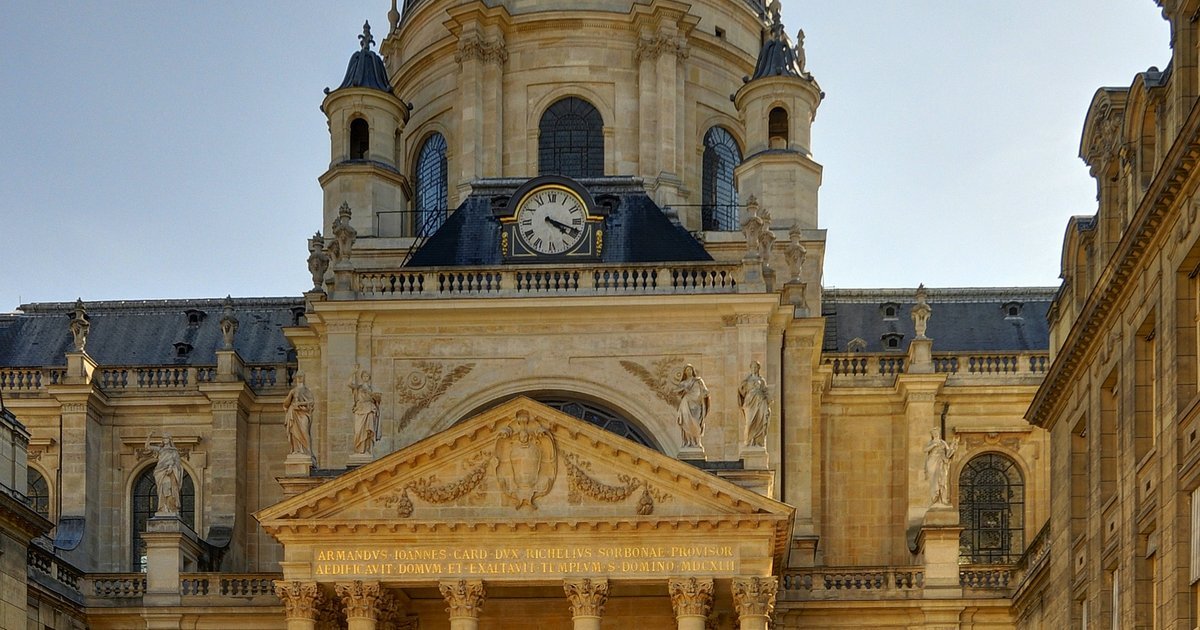
Jeannine Belléguic was born in Casablanca, Morocco, in 1943, into a French family during the period of the French Protectorate. The Protectorate ended in 1956, when she was a teenager, and the experience of growing up in late colonial Morocco has informed elements of her later writing and academic work. She moved to France for higher education and completed her studies in literature at the Sorbonne in Paris.
Her early academic work focused on comparative literature, with a particular interest in the literatures of the Iberian Peninsula, North Africa, and the broader Mediterranean. This geographic and linguistic range became a defining characteristic of her scholarly output over the following decades.
Academic Work and Scholarly Contributions
Belléguic spent much of her academic career at the University of Lille in northern France, where she held a position in the Department of Letters. Her research interests included the works of Fernando Pessoa and the Portuguese modernist tradition, the literature of the Mediterranean, and the relationship between exile, identity, and literary creation. She published multiple scholarly works in these areas, contributing to the French academic conversation about Iberian and Mediterranean literatures.
Her work on Pessoa, in particular, is recognized as a significant contribution to the French reception of Portuguese modernism. She approached Pessoa not only as a literary figure but as a case study in the construction of multiple authorial identities, drawing connections between Pessoa’s heteronyms and broader questions of selfhood in the modern period.
Literary Works
Beyond her academic work, Belléguic published poetry and novels. Her literary work often engaged with themes drawn from her own background, including the experience of growing up in Morocco, the Mediterranean as both a real and imagined space, the legacy of colonialism, and the relationship between language, place, and identity.
Her novels include works that draw on autobiographical material without being strictly autobiographical. The narrative voice in her fiction often reflects the layered identity of someone who grew up between two cultural and linguistic worlds, and her prose is known for its clarity, restraint, and the precision of its imagery.
Connection to Morocco and Mediterranean Culture
Belléguic’s connection to Morocco remained a thread throughout her career. She wrote about the country of her birth, contributed to academic discussions of Maghrebi literature, and participated in cultural exchanges between France and Morocco. Her work on the literature of the Mediterranean drew on the geographic and cultural crossings that defined her own life.
This dual engagement with French academic culture and Moroccan cultural heritage positioned her work within the broader field of postcolonial literary studies, though her writing is notable for avoiding polemic and approaching identity questions with a more reflective, less programmatic voice than some of her contemporaries.
Reception and Legacy
Belléguic is best known in French academic circles, where her work on Pessoa, the Mediterranean, and questions of exile is widely cited. Her literary work has a smaller but devoted readership, particularly among readers interested in the literature of the French-Maghrebi tradition. She is not widely translated into English, which is one reason her name is less familiar to English-language readers.
Her legacy is best described as that of a careful, productive scholar and writer who worked across several traditions and helped bring Iberian and Mediterranean literary perspectives into French academic conversation. For readers interested in comparative literature, postcolonial writing, or the work of Fernando Pessoa in French translation, her scholarship remains a useful starting point.
Where to Find Her Work
Her academic publications are catalogued in French university library systems and in databases of French-language scholarship. Her literary works, including novels and poetry, are available through French publishers and in French-language bookstores. Some of her work is held in major French libraries, including the Bibliothèque nationale de France. English-language readers will find very little translated material, and most of what is available is in scholarly citations rather than standalone translations.
What She Is Not
It is worth noting what Jeannine Belléguic is not, to avoid confusion with other figures. She is not a public political figure, not a contemporary celebrity, and not a mainstream bestselling author. She is a scholar and writer whose work lives primarily in academic and literary contexts. Any search results that present her in a different context should be treated with caution.
Frequently Asked Questions
Who was Jeannine Belléguic?
Jeannine Belléguic is a French-Moroccan scholar and writer, born in Casablanca in 1943. She is known for her academic work in comparative literature, particularly on Fernando Pessoa and Mediterranean literary traditions, and for her novels and poetry.
Where did she teach?
Belléguic held a position at the University of Lille in northern France, where she worked in the Department of Letters.
What did she write about?
Her work covers the literatures of the Iberian Peninsula, North Africa, and the broader Mediterranean, with particular attention to themes of exile, identity, and the relationship between language and place. She also wrote novels and poetry drawing on her own background.
Are her books available in English?
Very little of her work has been translated into English. Most of her publications are in French, and English-language readers will find her primarily through academic citations rather than translated editions.
Is she still alive?
Public information about her current status is limited, particularly in English-language sources. Readers seeking confirmation of her biographical status should consult recent French academic sources.