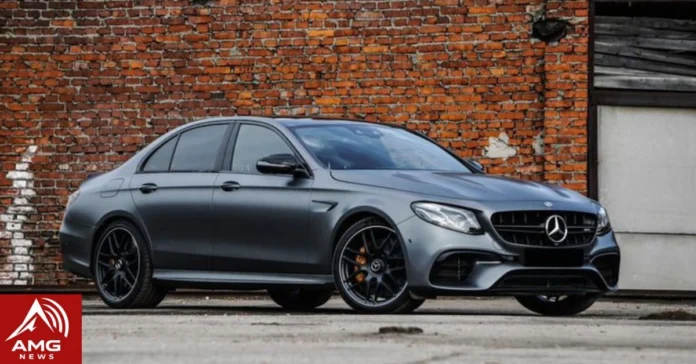


The Mercedes E63 AMG has always occupied a legendary spot in the automotive hierarchy. What started as a muscular luxury cruiser with a thunderous, naturally aspirated V8 has transformed over the decades into a seriously capable all-wheel-drive weapon. It is a machine engineered to embarrass sports cars on a track day while still hauling a family in complete serenity.
In a modern automotive landscape dominated by heavy downsizing and highly complex plug-in hybrid powertrains—headlined by the latest E-Class generations—the pure internal-combustion E63 variants stand out. They represent the golden era of big-engine executive express cars that you can actually buy, drive, and enjoy without mechanical compromise. Whether you are hunting for a clean, low-mileage survivor or planning your next canyon run, the Mercedes E63 AMG delivers a rare blend of everyday usability, prestige, and raw, unadulterated performance.
The Ultimate Daily Driver: Why Enthusiasts Revere the E63 AMG
Owners do not just appreciate the E63 AMG; they form genuine, long-lasting attachments to it. The car strikes a near-perfect balance between outright track speed and real-world compliance that many modern performance sedans miss entirely.
Daily driving feels effortless thanks to a beautifully insulated cabin that remains dead quiet at highway speeds, paired with highly supportive sport seats that prevent driver fatigue on long cross-country trips. The trunk space easily swallows golf bags or weekend luggage without structural drama.
Yet, when you alter the drive mode and request maximum power, the Mercedes E63 AMG sheds its executive persona completely. Launch control on the 4MATIC all-wheel-drive models pins you back with brutal force, while the communicative steering and massive performance brakes inspire absolute confidence through tight corners.
Enthusiasts particularly revere the acoustic signature of these cars. The deep V8 rumble at idle, followed by the distinctive whoosh of forced induction and exhaust crackles on overrun, provides true mechanical theater. In an era where performance cars increasingly rely on artificial synthesizers through cabin speakers, the E63 AMG delivers the real deal. While maintenance requires strict discipline, this super-sedan rewards active drivers. The more miles you log on a well-sorted example, the more you appreciate the depth of its engineering.
The Used E63 AMG Pre-Purchase Checklist
Buying a pre-owned Mercedes E63 AMG requires a highly calculated approach. Because these are complex, high-output machines, neglecting the initial inspection can result in immediate four-figure repair bills. Prioritize cars with an ironclad binder of Mercedes-Benz dealership records or specialist documentation, and focus heavily on these key areas:
- The Airmatic Suspension Test: Let the car sit parked overnight before you view it. If one corner or the entire rear axle is sagging when you approach the vehicle, the air struts or pneumatic supply lines have developed leaks. Additionally, listen during your test drive to ensure the air compressor isn’t running continuously to fight an active leak.
- Differential Diagnostics: Take the car to an open parking lot and execute low-speed figure-eight maneuvers, followed by a hard, straight-line acceleration run. Any low-frequency whining, structural clicking, or vibration under load points directly to neglected fluid changes and premature differential gear wear.
- Electronic Control Unit (ECU) Scans: Have an AMG specialist connect an advanced diagnostic tool to check for pending background fault codes that haven’t triggered a Check Engine Light yet. Ensure the transmission and powertrain modules have received the latest official factory firmware updates to iron out early drivability quirks.
- General Red Flags: Inspect the undercarriage thoroughly for structural rust if the car originated in salt-belt regions. Watch the exhaust tailpipes closely during a cold start—excessive blue or white smoke points to worn turbo seals or internal engine wear.
Generation Breakdown: Navigating the V8 Eras
The Mercedes E63 AMG story spans distinct automotive eras, each offering a completely unique driving personality and maintenance profile.
| Generation (Years) | Engine Configuration | Core Appeal | Common Failure Points |
| W211 (2007–2009) | 6.2L Naturally Aspirated V8 | Pure analog muscle-car sound; highly linear throttle response. | Cylinder head bolts snapping, cam phaser wear, and aging air suspension components. |
| W212 (2010–2016) | 5.5L Twin-Turbo V8 | Massive mid-range torque. 2014+ models offer great all-weather 4MATIC traction. | Leaking turbocharger coolant lines, timing chain stretch, and rear diff wear. |
| W213 (2018–2023) | 4.0L Twin-Turbo V8 | Hypercar-level speed (up to 603 hp), sharp 9-speed gearbox, and active Drift Mode. | Rear main seal oil leaks, failed oil vapor separators, and a noticeably stiff ride. |
The W212 generation is widely regarded by enthusiasts as a sweet spot, balancing modern cabin comforts with traditional, heavy-hitting AMG V8 character. Meanwhile, the W213 represents the pinnacle of sheer track capability and straight-line violence, though its complex electronic networks require strict diagnostic vigilance.
Final Thoughts
The Mercedes E63 AMG occupies rare automotive territory. It offers supercar pace neatly disguised in a practical four-door body style that continues to turn heads long after production lines have shifted focus.
Approach your buying journey with patience, dedicate an appropriate budget for ongoing preventative maintenance, and always buy the cleanest, best-documented example your budget allows. If you are ready for the financial commitment of running a high-end performance machine, few cars in the executive class will reward you with the same emotional return on investment.
FAQs
Q1: Is the Mercedes E63 AMG practical enough to be a daily driver?
Yes. When placed in Comfort mode, the E63 behaves like a standard luxury E-Class, offering a compliant ride, a quiet cabin, excellent safety tech, and ample trunk space for daily errands.
Q2: Which generation of the E63 AMG is considered the most reliable?
The facelifted W212 models (specifically 2014–2016) are highly praised. By this time, Mercedes had resolved the early head-bolt issues of the older naturally aspirated engines and sorted out most electronic glitches, making the 5.5L biturbo platform very robust if maintained properly.
Q3: What are the typical annual maintenance costs for a used E63?
Expect to allocate $1,500 to $3,000 annually for routine items like specialized oil services, performance tires, and brake pads. Major component failures, such as replacing the factory Airmatic suspension struts, can easily push single-visit repair bills higher.
Q4: How well does the Mercedes E63 AMG hold its resale value?
Well-documented, unmodified examples with under 40,000 miles hold their value remarkably well. Because the brand’s newest showroom models have transitioned away from pure V8 configurations, these older internal-combustion flagships are highly sought after by collectors and performance purists alike.
Q5: Should I buy a car that has aftermarket engine tunes or modifications?
As a general rule, avoid modified examples. Aftermarket ECU flashes and modified exhaust systems place massive thermal stress on the turbos and transmission components, making future reliability unpredictable and hurting long-term collector value.
For More Information Visit AmgNews.