

The Mercedes-AMG GT Coupe continues to be one of the most talked-about performance grand tourers on the road, and the conversation around it has only intensified as the model enters the second phase of its second generation. Whether the topic of the week is a new variant announcement, a motorsport-inspired special edition, a recall, or simply the way the GT lineup is being repositioned within Mercedes-Benz’s broader electrification strategy, the AMG GT is a model that consistently generates genuine enthusiast interest rather than throwaway headlines.
This guide is designed to give readers a clear, current picture of what is happening with the AMG GT Coupe, what the official Mercedes-AMG positioning actually is, and what is still speculation. We will look at the model lineup as it stands, the powertrain story, the relationship between the road car and the GT2 racing program, and the broader direction the brand has hinted at for the future of the GT family.
What the AMG GT Coupe Actually Is
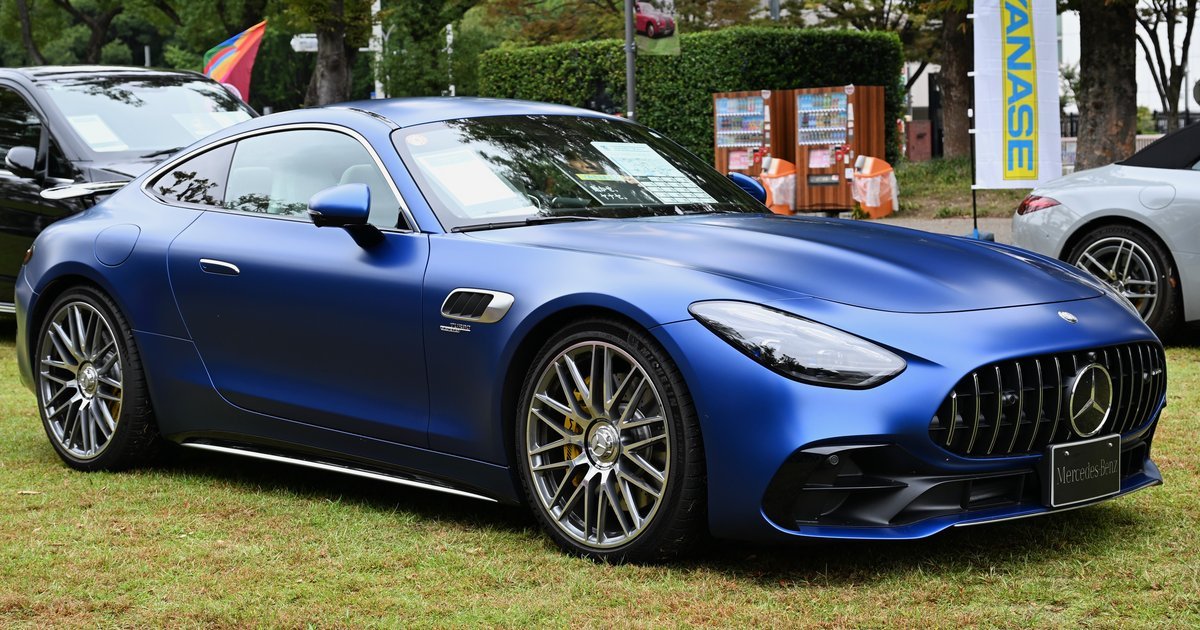
The AMG GT Coupe is the flagship two-door grand tourer built in Affalterbach, and it sits at the very top of the Mercedes-AMG passenger-car hierarchy. It is distinct from the smaller AMG GT four-door coupe, which is built on a different platform and competes in a different segment. The two-door GT is a sports car in the traditional sense: front-mid engine layout, transaxle gearbox, double-wishbone suspension, and a body engineered for genuine high-speed stability.
The second-generation model, internally known as the R232, launched in 2023 and effectively replaced both the previous AMG GT and the discontinued S-Class Coupe. It is built on Mercedes-Benz’s modular performance platform shared with the SL roadster, which means it benefits from a more advanced chassis structure, integrated roll-over protection, and modern electronics that the original 190-series-based GT never had.
The Current Powertrain Lineup
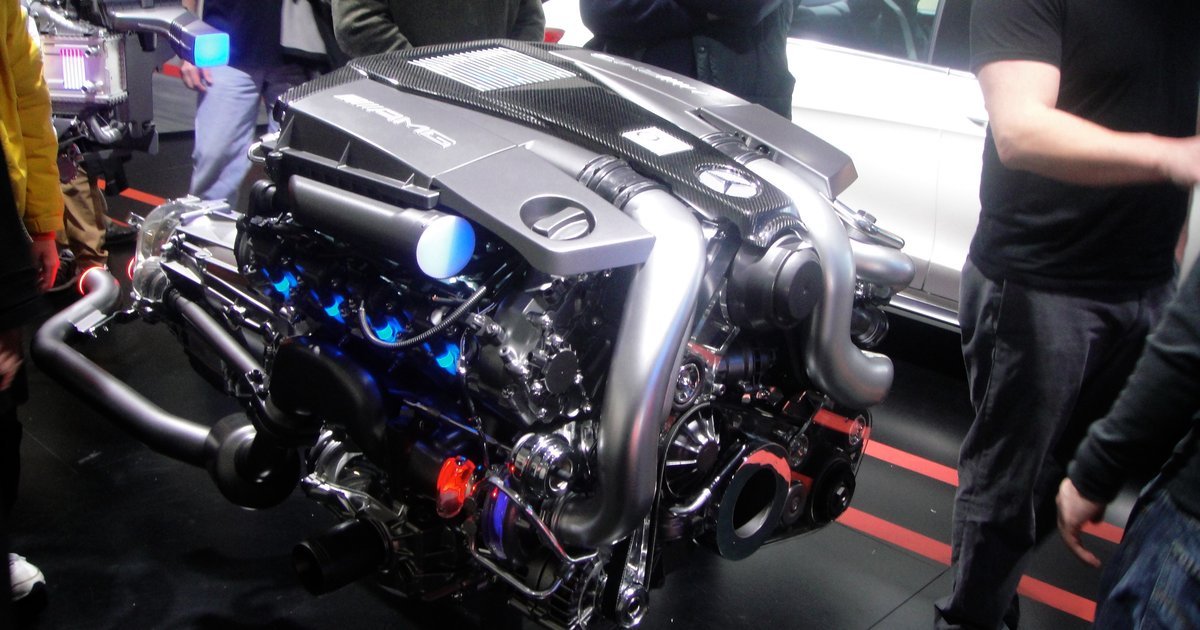
For the current model year, the AMG GT Coupe is offered with a hand-built 4.0-liter biturbo V8, the M177, paired with a nine-speed AMG Speedshift MCT transmission. The standard GT 55 produces 469 horsepower and 516 lb-ft of torque, while the GT 63 raises that to 577 hp and 590 lb-ft. Both variants use AMG Performance 4MATIC+ all-wheel drive, with a fully variable rear bias that allows the car to behave like a rear-driver until the electronics decide otherwise.
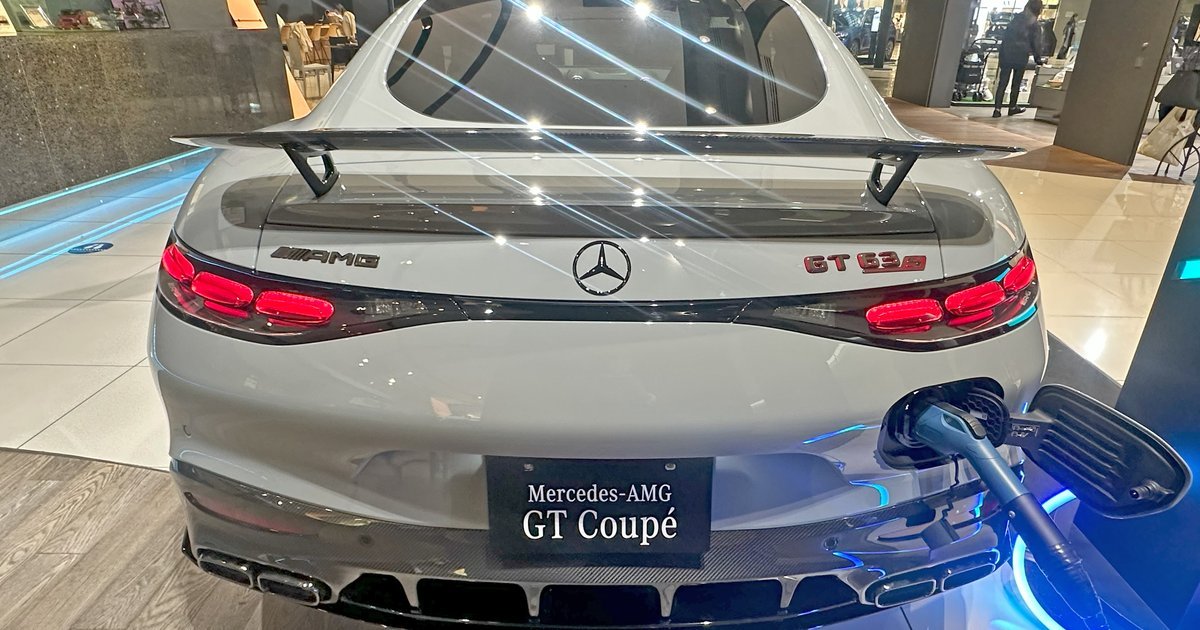
The plug-in hybrid E Performance variant, badged GT 63 S E Performance, sits at the top of the lineup. It combines the V8 with a permanently excited synchronous electric motor on the rear axle and a 6.1 kWh high-performance battery. System output is 831 hp and over 1,000 lb-ft of torque, which makes it the most powerful series-production AMG ever sold. Real-world electric range is modest – around 7 to 8 miles on a full charge – but the system is engineered for performance, not commuting.
Why the GT Coupe Is Back in the News Cycle
Three threads are currently keeping the AMG GT in enthusiast conversation. First, Mercedes-AMG has been steadily rolling out Manufaktur special editions, with a particular focus on color and trim combinations that have not been available in the United States for some time. Second, the GT2 racing homologation program has created renewed interest in a potential track-focused road car, especially after AMG’s customer racing efforts expanded in 2024 and 2025. Third, the broader industry conversation about whether the next-generation GT will retain a combustion V8 has been a consistent background topic, with Affalterbach repeatedly stating that the V8 is here “for the foreseeable future” but offering no long-term commitment.
There have also been periodic rumors about a limited-run Black Series successor. To be clear: Mercedes-AMG has not announced a new Black Series, and any reporting that suggests otherwise should be treated as unconfirmed. The brand has been disciplined about Black Series releases in the past, and the GT Black Series that ended production in 2022 has not been officially replaced.
AMG GT Coupe vs. the AMG GT 4-Door Coupe
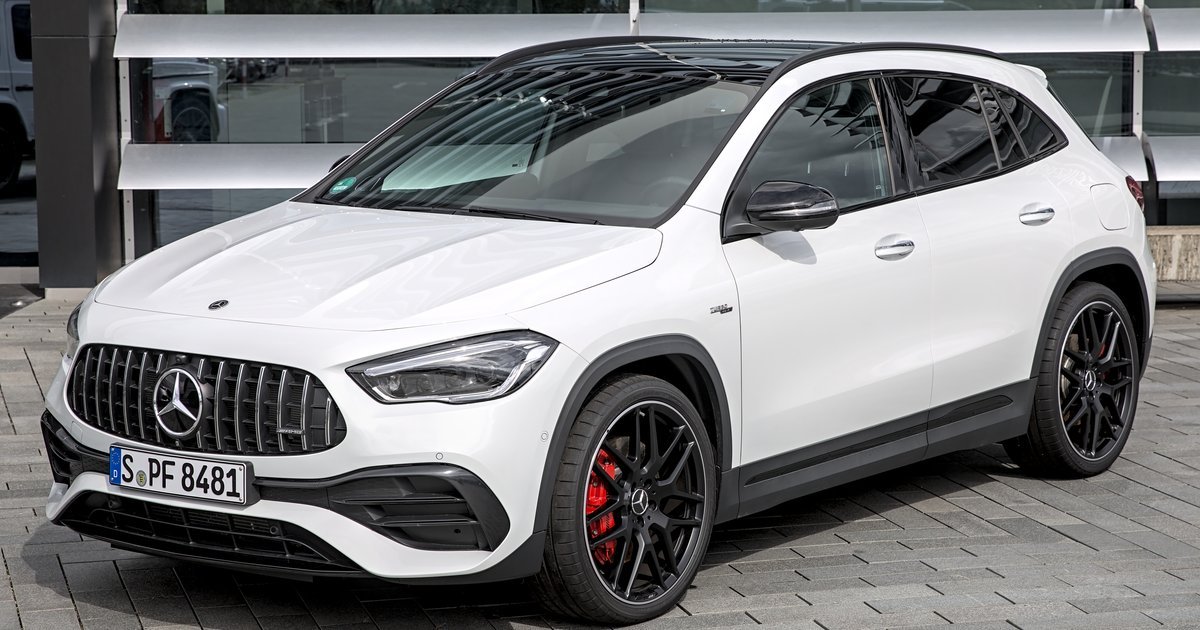
This is a frequent point of confusion for new buyers and readers alike, and it is worth addressing clearly. The AMG GT Coupe and the AMG GT 4-Door Coupe are two completely different vehicles. The two-door is a true sports car, while the four-door is built on the E-Class platform and competes with the Porsche Panamera and Audi RS7. They share a name and a general design language, but they do not share a platform, a transmission, or a target buyer.
When you see news articles or marketing that blur the two, it is usually because the writer or the source is generalizing. For a buyer trying to decide between them, the practical question is whether you need four usable seats and a hatchback or whether you want the lightest, most focused version of AMG’s two-door chassis. There is no objectively correct answer; there is only the answer that matches your real use case.
How the AMG GT Compares to Its Real Rivals
The honest competitive set for the AMG GT Coupe is narrow. The most direct rival is the Porsche 911, particularly in Turbo and Turbo S form, which is the benchmark for everyday-usable performance at this price point. The Aston Martin Vantage competes on character and brand experience, though not on outright technology. The Maserati MC20 is a more exotic alternative with a unique V6, but it sells in far lower volumes. The Chevrolet Corvette Z06 and the new ZR1 offer similar performance per dollar but are not direct competitors in the European luxury segment.
For most buyers, the decision comes down to the 911 versus the AMG GT. The 911 is more focused, has decades of evolution behind its chassis tuning, and holds its value extremely well. The AMG GT is more dramatic visually, has a more overt V8 soundtrack, and offers a more luxurious interior. There is no wrong answer; it is a genuine choice.
What the Next AMG GT Could Look Like
Mercedes-AMG has publicly committed to keeping internal combustion alive in its performance cars for as long as regulations allow, and the company’s AMG.EA electric platform is being developed in parallel. The current expectation, based on statements from AMG CEO Michael Schiebe and other executives, is that the third-generation GT – if it comes in this form at all – could be offered as both a hybridized V8 and a fully electric variant. This is not a confirmed product plan; it is the most likely scenario based on the brand’s publicly stated direction.
What is certain is that Affalterbach is not walking away from the GT nameplate. It is one of the brand’s most important halo products, and the current generation has been commercially successful in a segment where many competitors are pulling back from two-door sports cars entirely.
Frequently Asked Questions
Is the AMG GT Coupe a supercar?
It depends on how you define the term. In terms of outright performance, the GT 63 S E Performance produces more horsepower and torque than several cars that are routinely called supercars. In terms of layout and philosophy, however, it is a front-engine grand tourer, not a mid-engine exotic. It is more accurate to call it a high-performance GT than a supercar.
How fast is the AMG GT 63 S E Performance?
Mercedes-AMG quotes a 0-60 mph time of 2.7 seconds and a top speed of approximately 196 mph. Independent tests have generally matched the acceleration figure closely, though top speed will vary depending on tire specification and option choices.
Will there be a new AMG GT Black Series?
Mercedes-AMG has not announced one. The previous Black Series ended production in 2022, and Affalterbach has not confirmed a direct successor. Any report of a new Black Series should be treated as unconfirmed until the brand makes an official statement.
Is the AMG GT Coupe reliable?
Owner satisfaction data is generally positive, but the car is complex and expensive to maintain out of warranty. The V8 has proven durable in earlier applications, but the E Performance hybrid system adds a layer of long-term uncertainty that buyers should factor into ownership costs.
How much does an AMG GT Coupe cost?
Current U.S. pricing for the 2025 model year starts at approximately $123,000 for the GT 43, around $138,000 for the GT 55, $165,000 for the GT 63, and over $200,000 for the GT 63 S E Performance. These figures exclude destination, options, and Manufaktur customizations, which can add significantly to the final price.