Ethereum Layer 1 vs Layer 2: Key Differences for Beginners
Ethereum Layer 1 provides base settlement while Layer 2 networks process activity with different fee, speed and trust trade-offs.
In this article
Quick answer: Ethereum Layer 1 is the base blockchain that settles transactions and secures the main state. Layer 2 networks process transactions separately and publish data or proofs back to Ethereum. L2s can reduce cost and increase throughput, but users must check bridge, withdrawal and ecosystem differences.
Layer 1 and Layer 2 are not competing wallet modes. They are different execution and settlement environments that can use the same underlying asset in different ways.
What Ethereum Layer 1 does
Ethereum mainnet provides base security, final settlement and a shared state for contracts and assets. It is widely supported, but demand for blockspace can make complex transactions more expensive.
What a Layer 2 does
An L2 executes transactions away from mainnet and uses a mechanism to settle or prove the result on Ethereum. Users can access lower-cost applications, but the exact data availability, sequencer and withdrawal design varies by network.
Checklist before using an L2
- Confirm the official bridge and network name.
- Check whether the token is native, canonical or wrapped.
- Keep enough native gas token for the destination chain.
- Review withdrawal times and supported applications.
- Test the route with a small amount.
FAQ
Are all Layer 2 networks equally secure?
No. Security models, maturity, upgrade controls and data availability differ.
Why is ETH sometimes needed on an L2?
Many L2s use ETH or another native asset to pay transaction fees, even when the application uses different tokens.
Related reporting
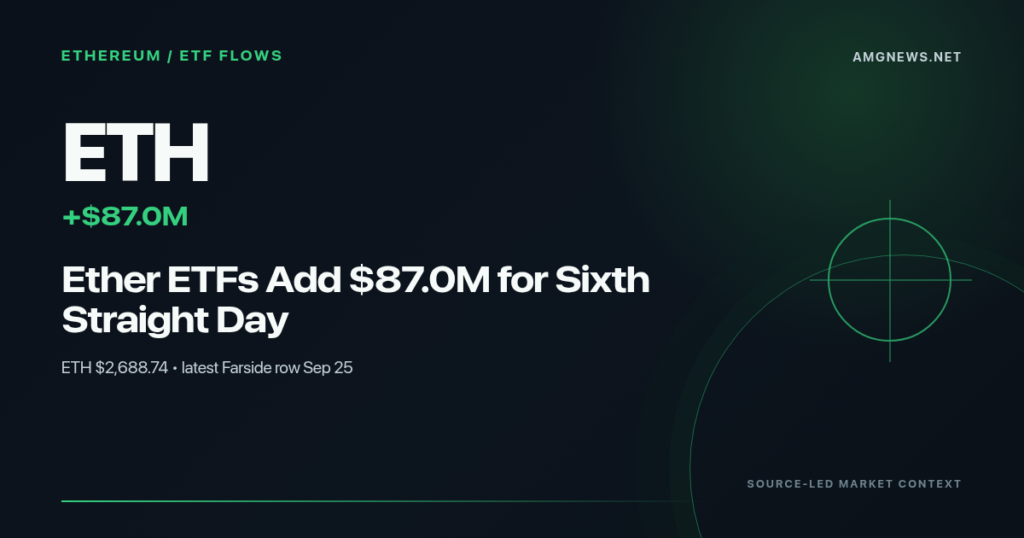
Ether ETFs Add $87.0M for Sixth Straight Day
September 25 inflows continue U.S. spot Ether ETFs recorded $87.0 million of net inflows for September 25, the latest row in Farside...
Ethereum Gas Fees Are Calm: What Lower Network Costs Mean for Users
Lower Ethereum transaction costs can improve user experience, but they also reveal useful information about network demand and activity.
Crypto Wallet Types Explained: Hot vs Cold Wallets
Hot and cold wallets solve different custody problems. This AMG News guide compares convenience, security, recovery and the right use case for...
